Navigate the Road: Best Driving Lessons and Training for First-Time Drivers
Navigating the process of becoming a competent driver can be intimidating for new learners. Choosing the right driving course is essential, as it impacts the foundation of their driving experience. Numerous options exist, from individual sessions to digital programs. Each offers specific benefits tailored to individual needs. Knowing what to expect in early lessons and fundamental skills is critical. However, the real question remains: how can new drivers confirm they are truly ready for the road to come?
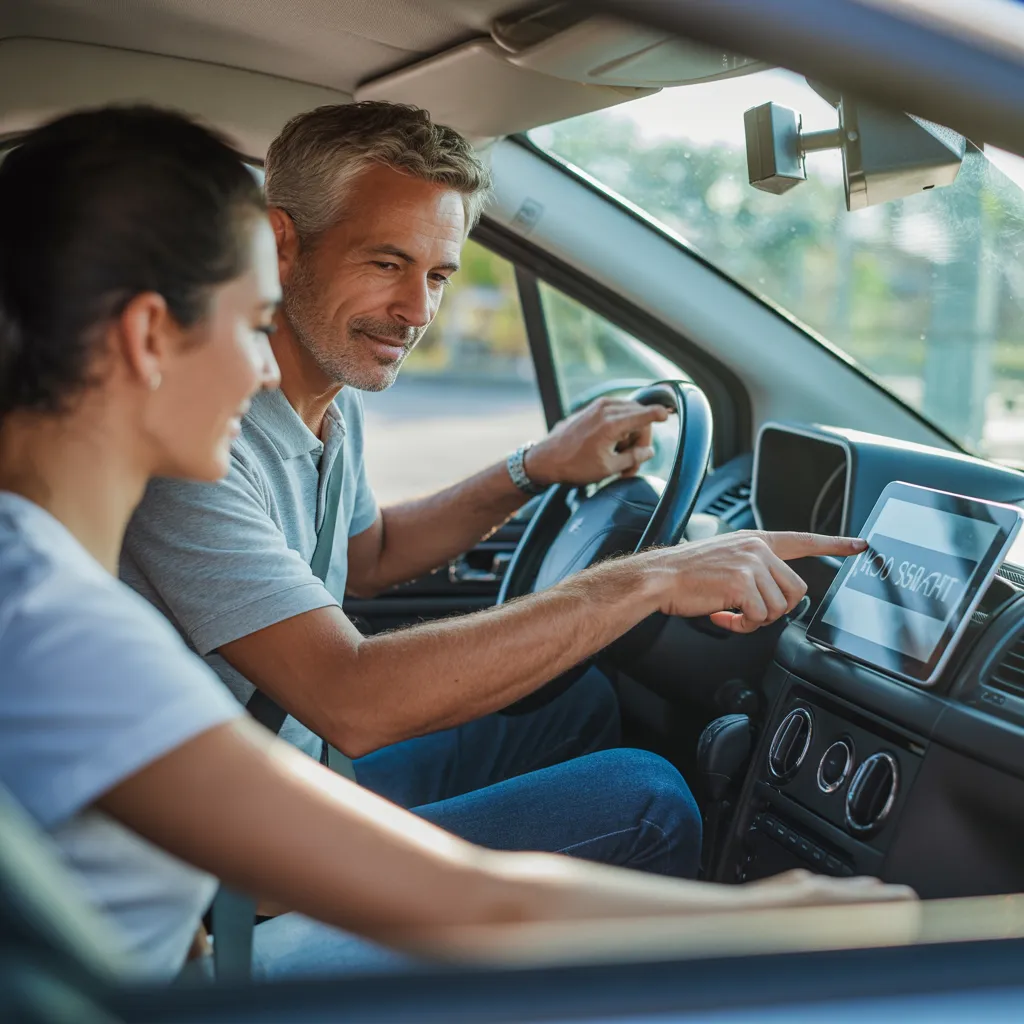
How to Pick the Ideal Driving Class for Your Goals
How does one determine the right driving class to address personal goals? Choosing the most appropriate driving course means considering personal needs, such as existing skill level, personal learning preferences, and time constraints. New drivers should think about whether they prefer classroom or virtual learning, as well as the flexibility of scheduling classes. Additionally, examining the credibility of driving institutions through feedback and recommendations can help gauge their quality.
Cost is another important consideration; understanding the pricing of various courses ensures the decision fits within financial constraints. Additionally, aspiring drivers should inquire about the credentials of teachers, as seasoned educators can considerably elevate the educational journey. In addition, potential drivers should determine any specific skills they aim to master, such as motorway driving or hazard awareness. Through careful evaluation of these factors, individuals can make an informed decision that suits their personal driving goals and circumstances.
What Are the Different Kinds of Driving Lessons?
When examining the various forms of driving instruction available, beginner drivers can select from private driving lessons, group classes, or online courses. Each alternative presents its own advantages according to each learner's preferences and timetable. Understanding these differences is essential for selecting the most suitable approach to mastering driving skills.
Personal Driving Lessons
Numerous beginner drivers pursue personal driving tuition to build their confidence and abilities while driving. Such lessons generally offer one-on-one instruction, allowing for personalized learning experiences tailored to each individual's needs. Teachers frequently adjust their instructional approaches based on the learner's pace, focusing on particular challenges, such as parallel parking or highway driving.
One-on-one driving sessions are available in different duration, frequency, and intensity, making them suitable for individuals who desire a flexible schedule or need focused training before a driving test. Additionally, many driving institutions offer focused training programs, such as protective driving techniques or study sessions aimed at particular driving evaluations. In summary, one-on-one driving instruction act as a valuable resource for new drivers aiming to enhance their driving proficiency and awareness of safe driving practices.
Group Driving Classes
What choices are available to new drivers regarding group driving classes? Group driving classes provide a cooperative setting where several students are taught at the same time. These classes typically include classroom sessions that cover traffic laws, safety protocols, and vehicle operation. Participants then engage in practical driving sessions under the supervision of a licensed instructor.
There are various formats for group classes, from community-based programs to driving school offerings. Some programs may be designed for particular demographics, such as teenagers or seniors, whereas others may accommodate beginners across all age groups. These classes not only provide essential driving skills but also cultivate a spirit of camaraderie between attendees, enriching the educational journey for all involved.
Web-Based Driving Lessons
Even as in-person driving classes stay in demand, online driving courses are now recognized as a convenient solution for new drivers aiming to acquire key driving knowledge. These courses generally include a range of topics, including traffic laws, safe driving techniques, and hazard recognition. Accessible in different formats, they often include instructional videos, engaging quizzes, and printable materials. Some programs even feature direct access to qualified instructors, giving students the ability to address concerns as they arise. Additionally, online courses are designed to accommodate personal timetables, making them a great fit for learners with limited availability. While they may lack the hands-on experience of in-car lessons, many online courses pair well with hands-on driving practice, providing a thorough approach to driver education. Their flexibility makes them a popular choice among aspiring drivers.
What You Can Expect During Your First Driving Lesson
In a novice driver's first session, the instructor typically introduces the automobile's controls and explains critical safety protocols. This essential overview enables students to appreciate the value of safe driving practices. Once they commence their practical exercises, new drivers will likely concentrate on elementary driving skills and situational awareness.
Opening Lesson Breakdown
Wondering about what your first driving lesson will cover? First-time drivers will find a comprehensive overview to the vehicle and fundamental driving principles. Commonly, the driving instructor will commence with a short introduction, explaining the car's controls and safety features. New drivers will discover how to position mirrors, buckle seatbelts, and read dashboard gauges. The class generally focuses on a concentration on fundamental techniques such as engaging the engine, controlling the wheel, and applying the brakes. Driving coaches regularly stress the significance of staying focused and obeying traffic signs. By the end of the session, new drivers get the opportunity to drive in a protected, open space, steadily developing their self-assurance. Essentially, the first class acts as a essential starting point, created to gently guide novices into the driving experience.
Essential Safety Guidelines
After the initial lesson focused on vehicle orientation and basic maneuvers, new drivers should be aware of key safety guidelines to guarantee a secure driving experience. First, they must always wear their seatbelts and make sure all passengers do the same. Knowing how to operate the vehicle's controls, including headlights, wipers, and turn signals, plays a critical role in maintaining clear communication on the road. Preserving an adequate following distance is key to avoiding collisions, and adhering to speed limits significantly improves driving safety. Novice drivers must remain attentive at all times, steering clear of distractions like mobile phones. Finally, practicing defensive driving techniques—anticipating potential hazards and being prepared to react—will greatly improve their chances of safe driving. Following these guidelines guarantees a solid foundation for responsible driving habits.
Important Skills Every New Driver Should Learn
Mastering essential driving skills is essential for new drivers as they navigate the complexities of the road. First and foremost, new drivers must develop proficiency in smooth steering, braking, and acceleration to keep proper control. Recognizing traffic signs and signals is also essential, as it guarantees compliance with road regulations. New drivers should also practice appropriate lane transition and merging procedures, which are crucial for safe navigation.
Moreover, parking skills, such as parallel parking and maneuvering in tight spaces, strengthen overall driving proficiency. Defensive driving methods play an important role in identifying potential hazards and reacting suitably to fellow road users. Novice drivers must also familiarize themselves with their car's controls and functions, which include headlights, wipers, and emergency signals.
Finally, mastering these skills fosters confidence, allowing new drivers to make sound decisions and enhance overall road safety. Prioritizing these abilities creates a firm foundation for a lifetime of safe and responsible driving.
A Comparison of Online and In-Person Driving Lessons
As beginner drivers consider their choices for instruction, the selection between in-person and online driving lessons becomes a crucial decision. Virtual driving courses provide convenience, allowing students to learn at their own pace and convenience. These lessons often include interactive modules, videos, and quizzes that cater to different learning styles. However, the absence of immediate guidance and practical training may limit the progress of some drivers.
By comparison, in-person driving lessons provide direct interaction with instructors, enabling immediate feedback and personalized guidance. This hands-on approach can help build essential skills more effectively, as students practice in real driving conditions. Furthermore, in-person lessons foster a sense of accountability and commitment.
At the end of the day, the final call is influenced by individual educational preferences, timetables, and confidence levels. A combined approach, incorporating both online theory and in-person practice, may offer a well-rounded solution for many new drivers, guaranteeing a solid understanding of the fundamentals of driving.
Important Strategies for Gaining Confidence While Driving
Developing self-assurance behind the wheel is a fundamental component of developing strong driving abilities, especially for individuals who have recently wrapped up their driving courses. A highly beneficial approach is to build experience through frequent practice in different locations, including busy streets, highways, and quiet neighborhoods. Such varied experience allows new drivers to adapt to diverse road situations. A further valuable approach is to set achievable goals, such as perfecting reverse parking or navigating busy intersections, which can boost their overall confidence and satisfaction.
Additionally, riding alongside a supportive companion or relative can offer motivation and helpful guidance, which helps reduce nervousness. Learning about vehicle controls and safety features is equally important for new drivers, promoting a greater familiarity with their automobile. To conclude, keeping an optimistic attitude and picturing successful drives can significantly boost self-assurance. Collectively, these methods build a reliable groundwork for new drivers, empowering them to tackle the road with heightened self-assurance.
How to Prepare for Your Driving Test: Tips for Passing
While the prospect of taking a driving test can be intimidating, proper preparation can greatly enhance a new driver's chances of success. As a starting point, reading through the driving handbook is vital, as it includes important details about road signs, traffic laws, and regulations. Scheduling practice sessions with a qualified instructor can help refine essential skills, such as merging into traffic and parallel parking. Additionally, new drivers should familiarize themselves with the testing route, if possible, to reduce anxiety on the test day.
An additional key consideration is practicing defensive driving techniques, which can positively impact your examiner's assessment. On your Driving School test day, it's recommended to get there ahead of time, allowing sufficient time to calm your nerves and gather your thoughts. Keeping a relaxed attitude from start to finish is critically important; feeling stressed can cause unnecessary slip-ups. To conclude, showing self-assurance and communicating clearly with your examiner can create a favorable impact, further contributing to a successful driving test outcome.

Frequently Asked Questions
How Much Do Driving Classes Typically Cost?
Driving lessons generally range between $50 to $150 per session, based on the instructor and area. Multi-session packages may reduce the overall cost, while additional fees for materials or licenses can further impact the total cost.
Is It Possible to Take Driving Lessons if I'm Under 18?
Absolutely, people under 18 are able to attend driving lessons. A large number of driving schools provide programs particularly designed for young drivers, usually including a variety of in-class learning and practical driving sessions to provide thorough learning and safety awareness.
What Items Should I Bring to My Driving Lessons?
A driving student should bring a valid learner's license, a notepad for taking notes, comfortable clothing, and any required forms. Furthermore, carrying a pen, some water, and refreshments can enhance the overall driving lesson experience.
Are Discounts Available for Group Lessons?
Several driving schools offer reduced rates for group instruction, encouraging loved ones to study together. These discounts may differ, so it's advisable for people to inquire directly with the specific driving school for more information.
How Much Time Is Needed to Finish Driving Lessons?
Generally, finishing driving lessons requires about 4 to 6 weeks, subject to the individual's availability and the frequency of lessons each week. Factors such as prior experience and learning pace also influence this duration.